In the world of professional painting, the final coat of paint often garners the most attention. The vibrant colors, the smooth finish, and the transformative effect on a space are what clients typically notice and appreciate. However, beneath that impeccable surface lies a critical component that determines the longevity and quality of the paint job: surface preparation. At Ronbo's Fine Painting Inc., we understand that meticulous preparation is the cornerstone of every successful painting project.
Surface preparation involves a series of steps designed to ready a surface for painting. This process ensures that the paint adheres properly, looks uniform, and withstands the test of time. Skipping or rushing through these steps can lead to a host of problems, including peeling, cracking, and uneven finishes.
Inspection and Assessment: Before any work begins, a thorough inspection of the surfaces is essential. This step identifies issues like moisture damage, mold, mildew, cracks, or previous paint failures. Understanding the condition of the surface informs the preparation strategy.
Cleaning: Surfaces must be free of dirt, dust, grease, and other contaminants. Depending on the situation, this could involve power washing exteriors or using specialized cleaners for interiors. Clean surfaces ensure better paint adhesion.
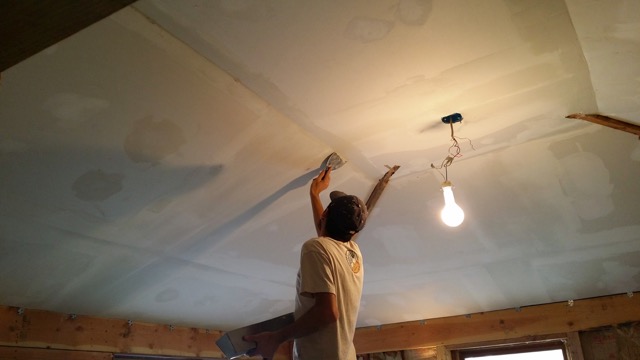
Repairing Damages: Cracks, holes, and other imperfections need to be addressed. This might involve patching drywall, repairing stucco, or replacing damaged wood. Proper repairs prevent future issues and provide a smooth canvas for painting.
Sanding: Sanding smooths out rough areas and helps in removing old, flaking paint. It also creates a slightly abrasive surface, allowing new paint to grip better.
Priming: Applying a primer is crucial, especially on repaired areas or surfaces that have never been painted. Primer seals the surface, provides a uniform base, and enhances paint adhesion.
Neglecting thorough surface preparation can compromise the entire painting project. Common issues include:
Poor Adhesion: Without proper cleaning and priming, paint may not stick well, leading to peeling or blistering.
Visible Imperfections: Unaddressed cracks or holes can show through the paint, diminishing the aesthetic appeal.
Reduced Durability: Paint applied over unprepared surfaces is more susceptible to damage from environmental factors, leading to a shorter lifespan.
At Ronbo's Fine Painting Inc., we pride ourselves on our attention to detail and commitment to quality. Our team follows a rigorous preparation protocol for every project, ensuring that each surface is impeccably prepared before the first coat of paint is applied. This dedication not only guarantees a beautiful finish but also ensures that our work stands the test of time.
Wood: Needs sanding to remove old paint and smooth the surface, followed by priming to prevent tannin bleed.
Drywall: Requires patching of holes and sanding to achieve a smooth surface before priming.
Stucco: May need power washing and repair of cracks before painting.
Metal: Often requires rust removal and the application of a rust-inhibiting primer.
While the final coat of paint is what transforms a space, it's the meticulous preparation beneath that ensures the transformation is lasting and flawless. At Ronbo's Fine Painting Inc., we understand that excellence in painting begins long before the brush meets the wall. Our unwavering commitment to thorough surface preparation sets us apart and ensures that our clients enjoy beautiful, durable results every time.